.svg)
Design has always evolved alongside the tools available at each moment in time. Printing presses changed the way information circulated, photography transformed visual culture, and computers opened entirely new possibilities for graphic design and communication. Today we are entering another moment of transformation with the rapid emergence of artificial intelligence in creative work.
For many designers this shift feels uncertain. Images can now be generated in seconds and tasks that once required hours of work can suddenly be completed almost instantly. It is easy to interpret this as a threat to the creative process, but history suggests that design has always adapted to technological change.
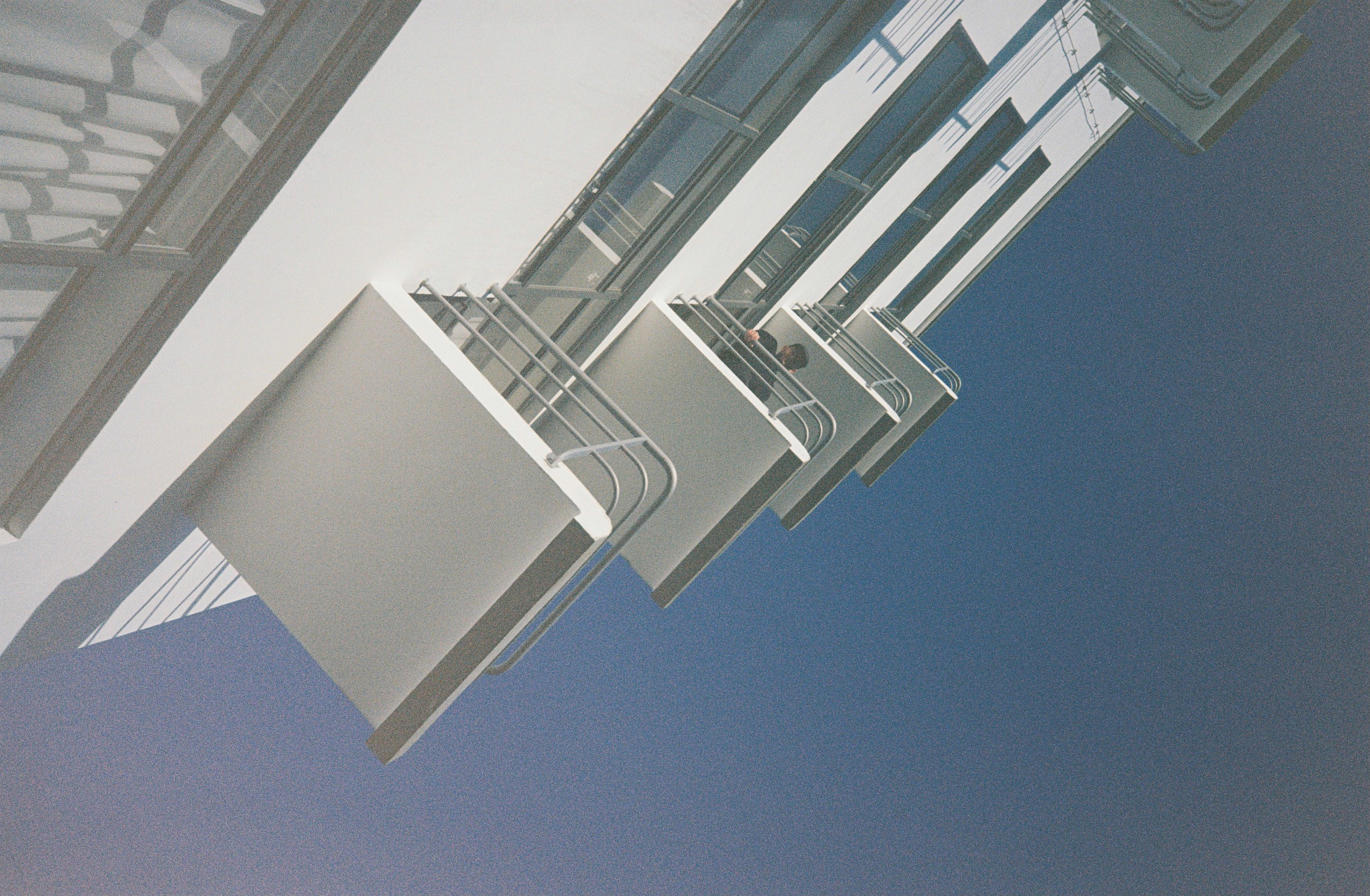
More than a century ago the Bauhaus school was already exploring the relationship between art, craft and technology. Their vision was not to separate these worlds but to bring them together in order to shape everyday life. Technology was not seen as something that replaced creativity, but as something that could expand the possibilities of human expression.
Seen from this perspective, the tools may change but the nature of design remains deeply human. At its core design is not only about producing images, objects or interfaces. It is about understanding people, contexts and intentions, and translating that understanding into forms that communicate clearly.
Artificial intelligence can certainly assist with parts of this process. It can generate references, accelerate certain technical tasks and help explore visual directions more quickly than before. Yet the questions that guide design still come from a different place. What story does a brand tell about itself. What atmosphere does a space create for the people who enter it. How does an image influence the way we interpret a message.
These questions depend on observation, judgement and sensitivity to context. They emerge from conversations, cultural awareness and lived experience rather than from purely technical processes.
At the same time the growing presence of automation also invites reflection on another dimension of creative work that is often overlooked: the rhythm at which ideas emerge. Creativity rarely happens in moments of constant acceleration. It tends to appear when there is enough space for curiosity, reflection and the slow connection of thoughts.
In recent years conversations around mental health have become more present in the creative industries. Designers, artists and cultural workers increasingly recognise that sustained creativity requires a certain balance between intensity and pause. A practice that only prioritises speed can easily lose the depth that makes creative work meaningful.
New tools like artificial intelligence can help remove friction from parts of the design process, but they also raise the question of how we maintain a human pace within increasingly automated systems. Perhaps the challenge is not to resist technological change, but to integrate it without losing the reflective spaces that allow ideas to grow.
The Bauhaus philosophy still offers an interesting reference here. Their ambition was not only aesthetic but social. They believed that design had the capacity to shape everyday environments in ways that improved how people lived and related to the world around them. Technology was part of that ambition, but it was always guided by human intention.
Artificial intelligence will undoubtedly transform the design profession in the coming years. Some processes will become faster, certain tasks may disappear and new forms of creative collaboration between humans and machines will emerge. Yet the essence of design may remain closer to what it has always been.
A practice that listens before it creates. A discipline that translates complexity into clarity. And ultimately a human activity that uses tools, old or new, to give form to ideas.
In that sense the real question may not be whether designers should embrace artificial intelligence, but how we do so while preserving the curiosity, attention and sensitivity that allow design to remain a deeply human practice.